What is Open Science?
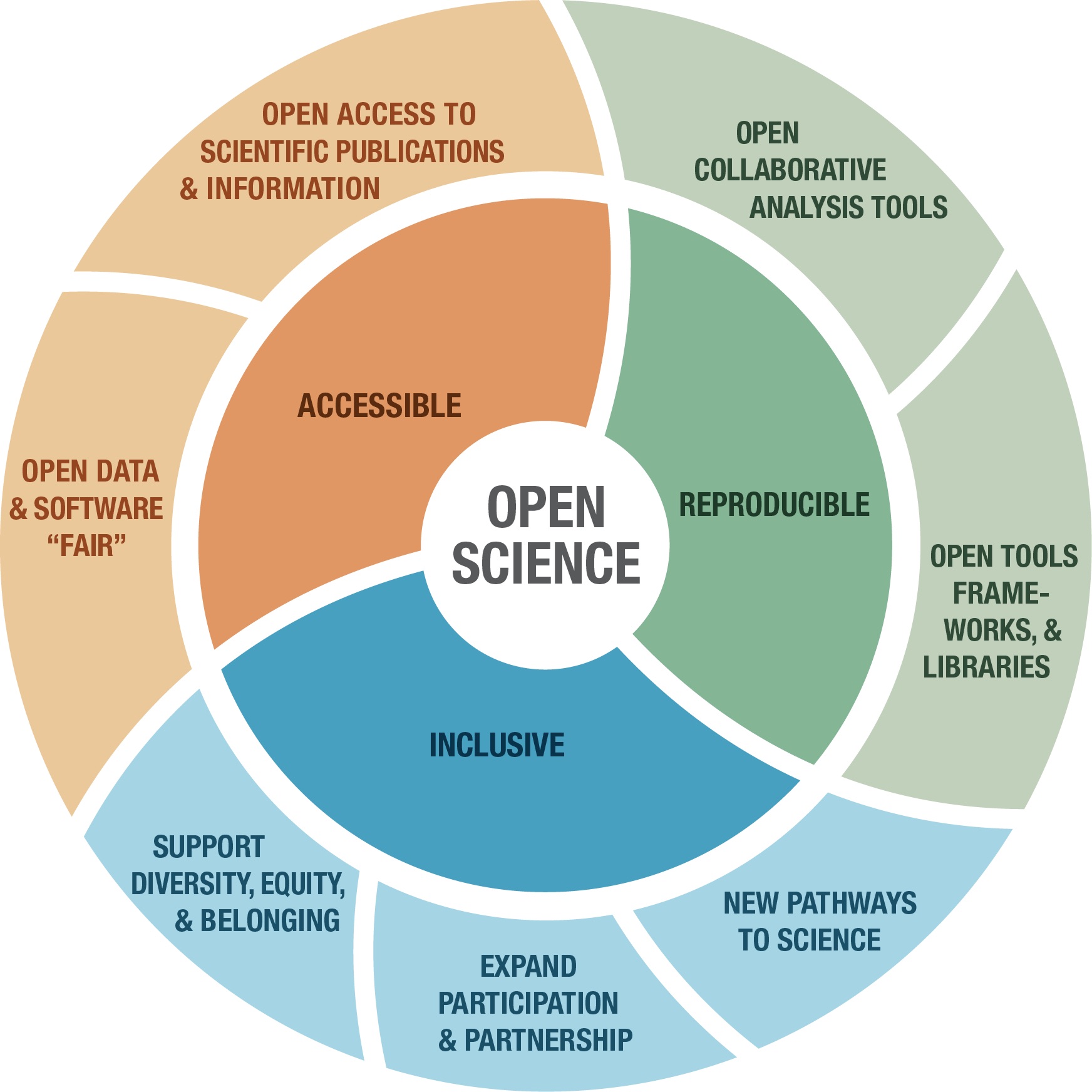
Figure 1:Open science collaborative framework diagram
Image based on Ramachandran et al. 2021
What Does this look like in the Weather Radar Community?
Since the late 2000s (and even before) there has been a number of major open source projects released (see e.g. https://
openradarscience .org). Some of them are in a mature stage and are widely used in an academic (mostly) but also operational environment
Most make use of modern tools (e.g. github, conda, docker) and practices (e.g. Continuous Integration, automatic tests) that make them easy to evolve and deploy
Most are backed by major weather services or academic institutions Projects are not competing among them but collaborating : Best practices and inter-operability are discussed regularly and joint open source courses have been organized for years at major radar conferences (AMS, ERAD)
The Conceptual Idea of the Open Radar Stack
Common weather radar processing workflows
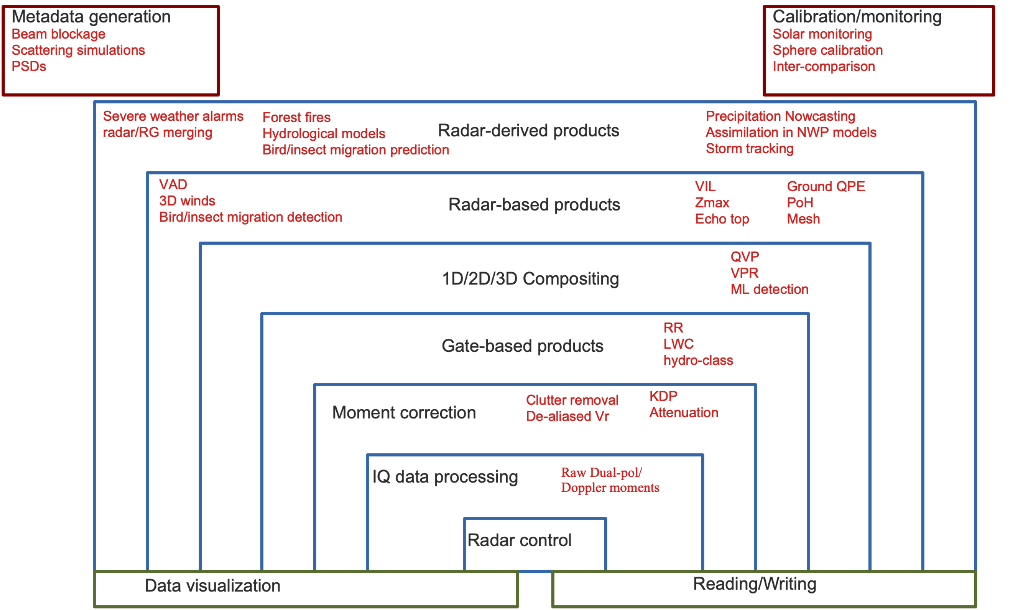
The Open Radar Tools
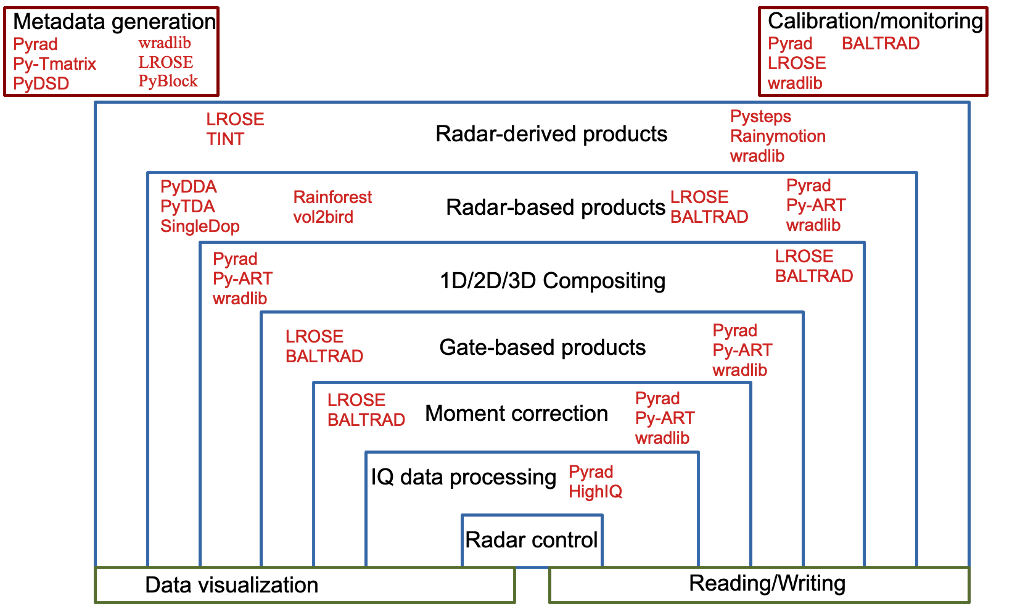
Additional Tools that Can be used with/for Weather Radar Data
a collection of tools in Python for reading, visualizing, and performing calculations with weather data
a Python package for rapidly identify, track and analyze clouds in different types of gridded datasets, such as 3D model output from cloud-resolving model simulations or 2D data from satellite retrievals.
Introductions of the Core Open Radar Stack
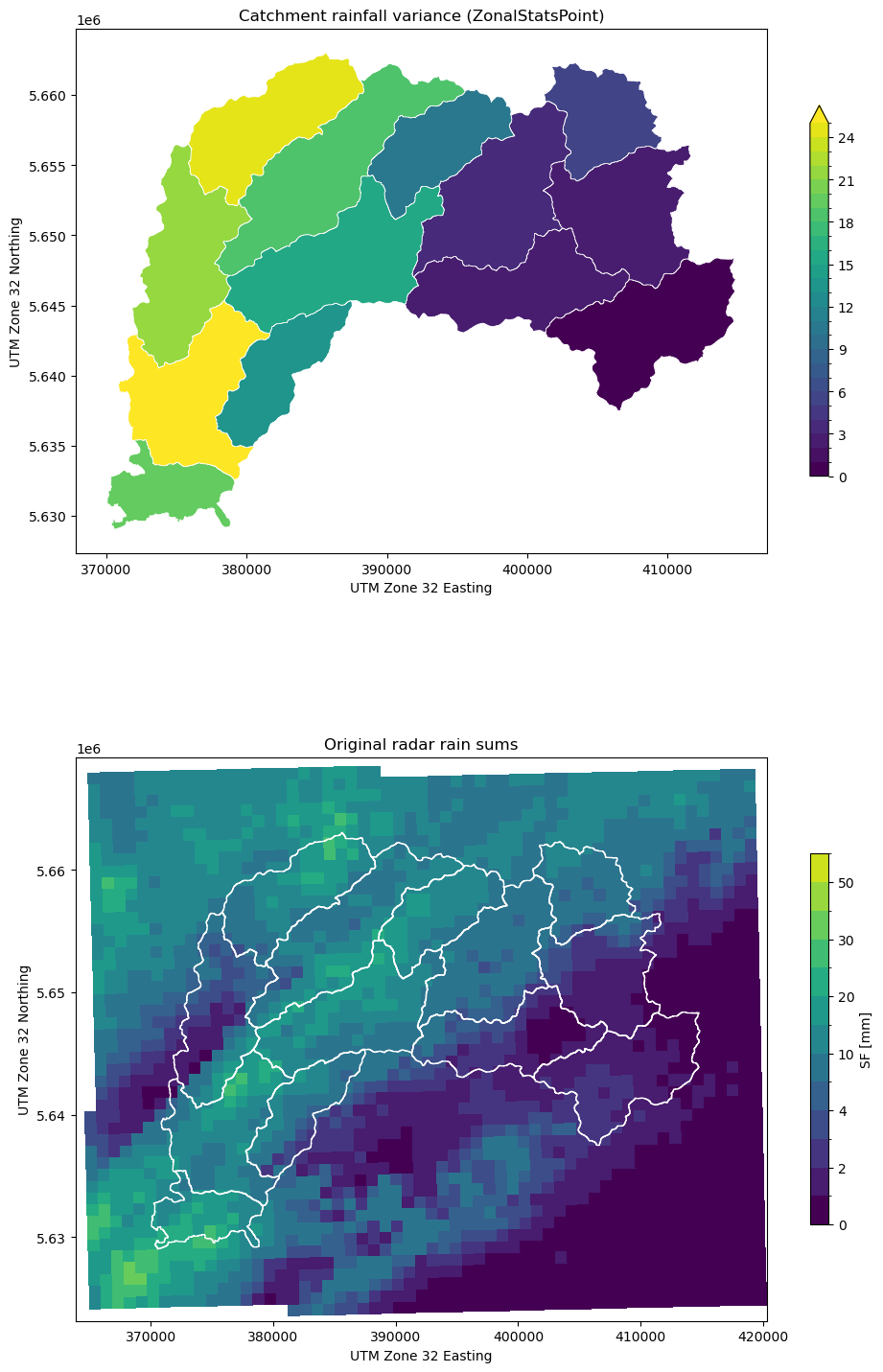
Wradlib (Keep the magic to the minimum (let the user decide))
One of the oldest packages (2011)
Open platform for collaborative development of algorithms
Python-based
Linux/Windows/Mac
Flat data model that allows maximum flexibility to interact with the data.
xarray readers available (now in xradar as of 2.0)
Comprehensively addresses the full radar processing chain
Mainly geared to interactive use in research but used in operations too
Easy to install (PyPI, conda, Docker Hub)
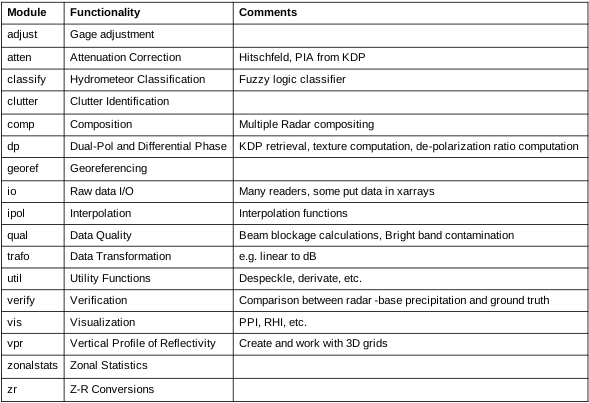
Functionality
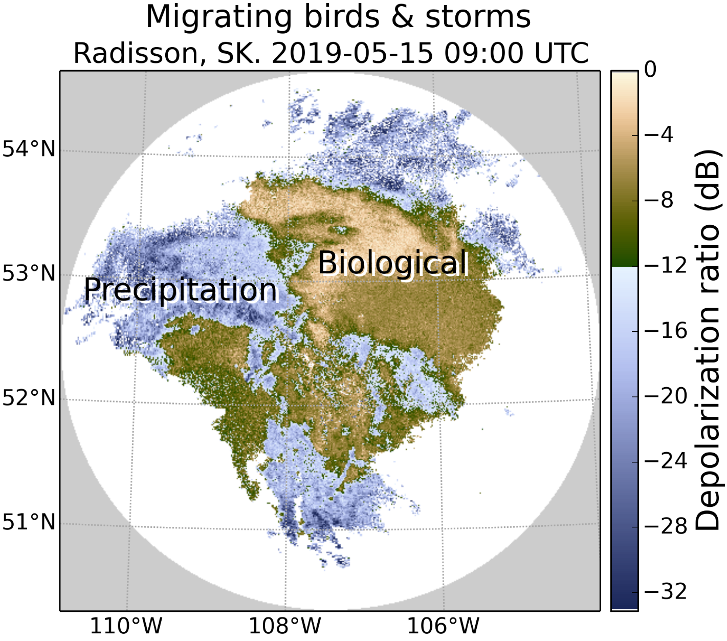
Sample Image
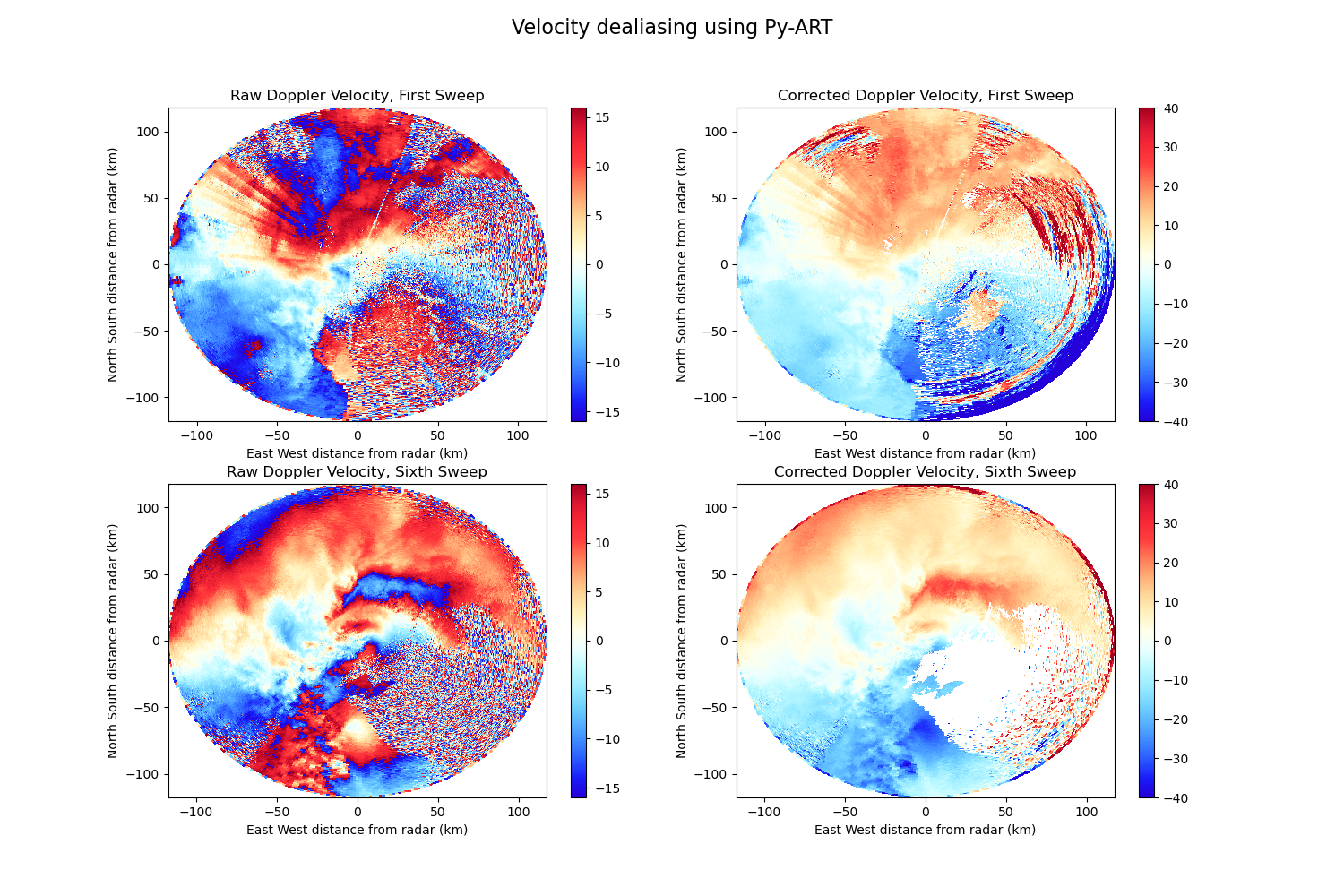
Py-ART (It’s all about the data model)
Created in the context of the ARM program (2013)
Open platform for collaborative development of algorithms
Mostly Python-based (some modules in C, Cython and FORTRAN)
Linux/Windows/Mac
Core : Radar object that structures the radar data and metadata mirroring the C/F Radial standard
Limited scope. Base block to built upon
Rich ecosystem of packages: ART-VIEW, PyTDA, PyDDA, TINT, Pyrad...
Easy to install (PyPI, conda)
Functionality
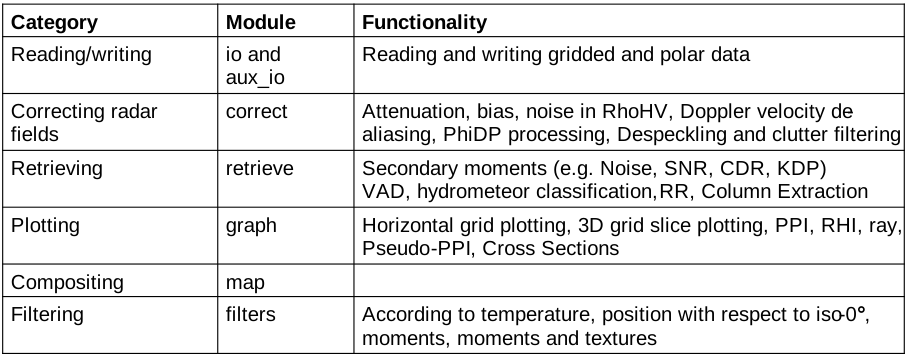
Sample Image
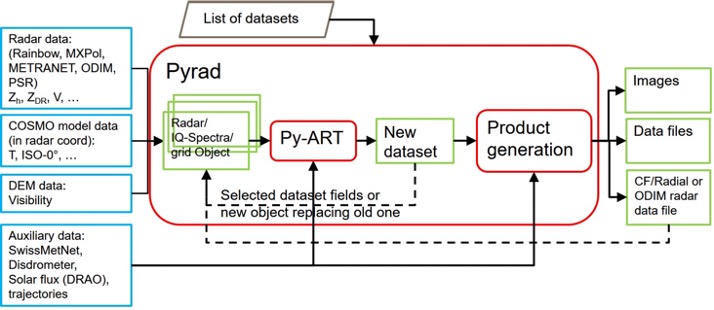
Pyrad (Flexible and replicable data processing chains with no programming)
Initially developed at MeteoSwiss. Now shared development between MeteoSwiss and Météo-France
Python-based weather radar data processing framework capable of operating in real time or off-line
Core based on ARM-DOE Py-ART (Pyrad major contributor)
Easy to install (PyPI, conda)
Functionality
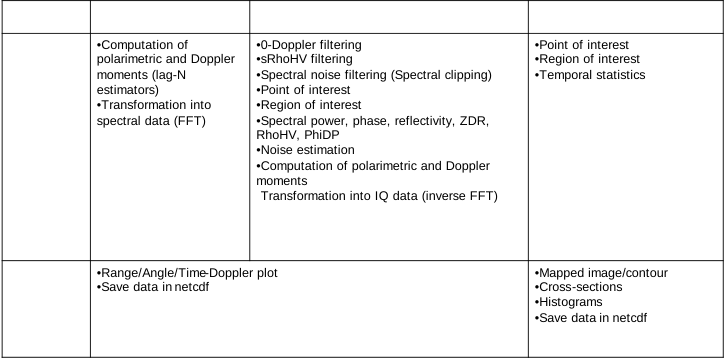
Sample Image
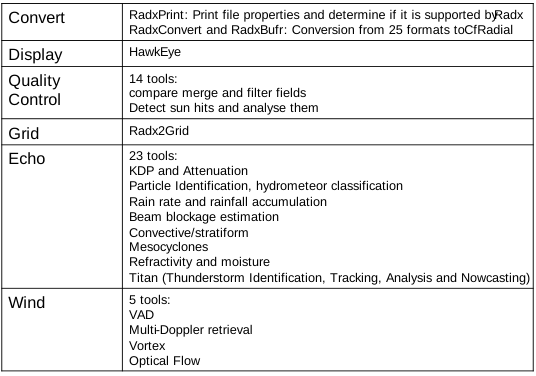
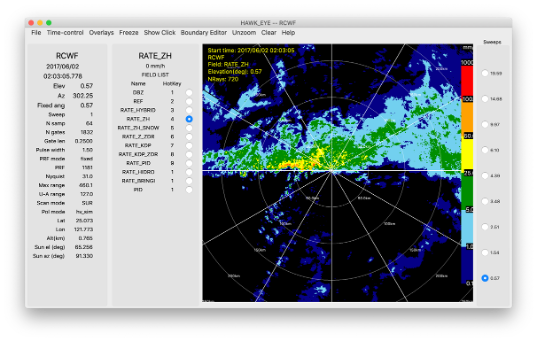
LROSE (High quality building blocks forcomplex workflows)
Based on legacy of NCAR and CSU tools
Fast native cross-platform applications
Mostly C++
Linux/Mac/partially Windows
Many stand-alone tools
Stores data in CF/Radial
Functionality
Sample Image
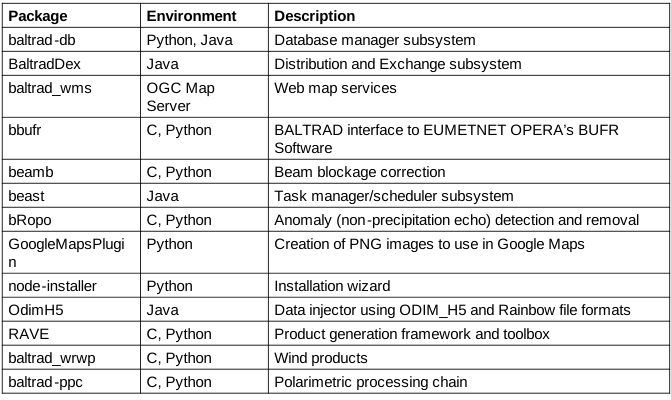
BALTRAD (Advanced Weather Radar Network)
Heritage from the Nordic Network NORDRAD. Partly funded by the EU. BALTRAD and BALTRAD+ projects (2009-2014). 13 partners in 10 countries
Real-time data exchange and data processing
Sub-packages written in different languages
Data exchange: JAVA
Data processing: C and Python
Linux/Mac
Distributed networking, partners exchange polar data and process them using a common toolbox
Uses ODIM-H5
Documentation: https://
baltrad .github .io/
Functionality
Sample Image
Conclusions on the Open Radar Stack
Acknowledge software when you use it – treat it like a paper
Most projects have Digital Object Identifiers (DOIs)
Contribute back to projects
Report bugs, suggest enhancements, share feedback!
Do not be afraid to contribute
We all started somewhere – your code will be reviewed + tests ensure things do not break
Open Source does not end at making things open
Support, documentation, consistency, etc. are required
Take a look at existing projects to see if you can collaborate/coordinate!
The Open Radar Community
More on Open Science: Beyond the Tools

Open Science = Open Data + Open Algorithms + Open Software + Open Peer Review + Open Access Publication
Thereby, science process and outputs can be:
✅ Transparent
✅ Reproducible
✅ Transferrable
✅ Collaborative
✅ Credible!
✅ Durable, sustainable
Important
No conflict between Intellectual Property Rights (IPR) and licensing.Recommendations for Open Scientists
Use Git for collaborative change/version code management
GitHub: github.com
GitLab: gitlab.com
Linux virtual machine on your local computer
Cost-effective near-replication of official environments
Good for development, even while traveling
VM is the starting point, a vehicle, for creating transferrable computational environments
Today’s cloud instance is an “elaborated” VM (Jupyterhub/Binderhub)
If you have a choice, use an open programming language
Avoid proprietary algorithms like Numerical Recipes
Publish code
Publish data
Publish code & data associated with a study/paper
Publish in Open Access journals
Conclusions
There is no “silver bullet” for open science
Try to use open languages where possible
Share your work!
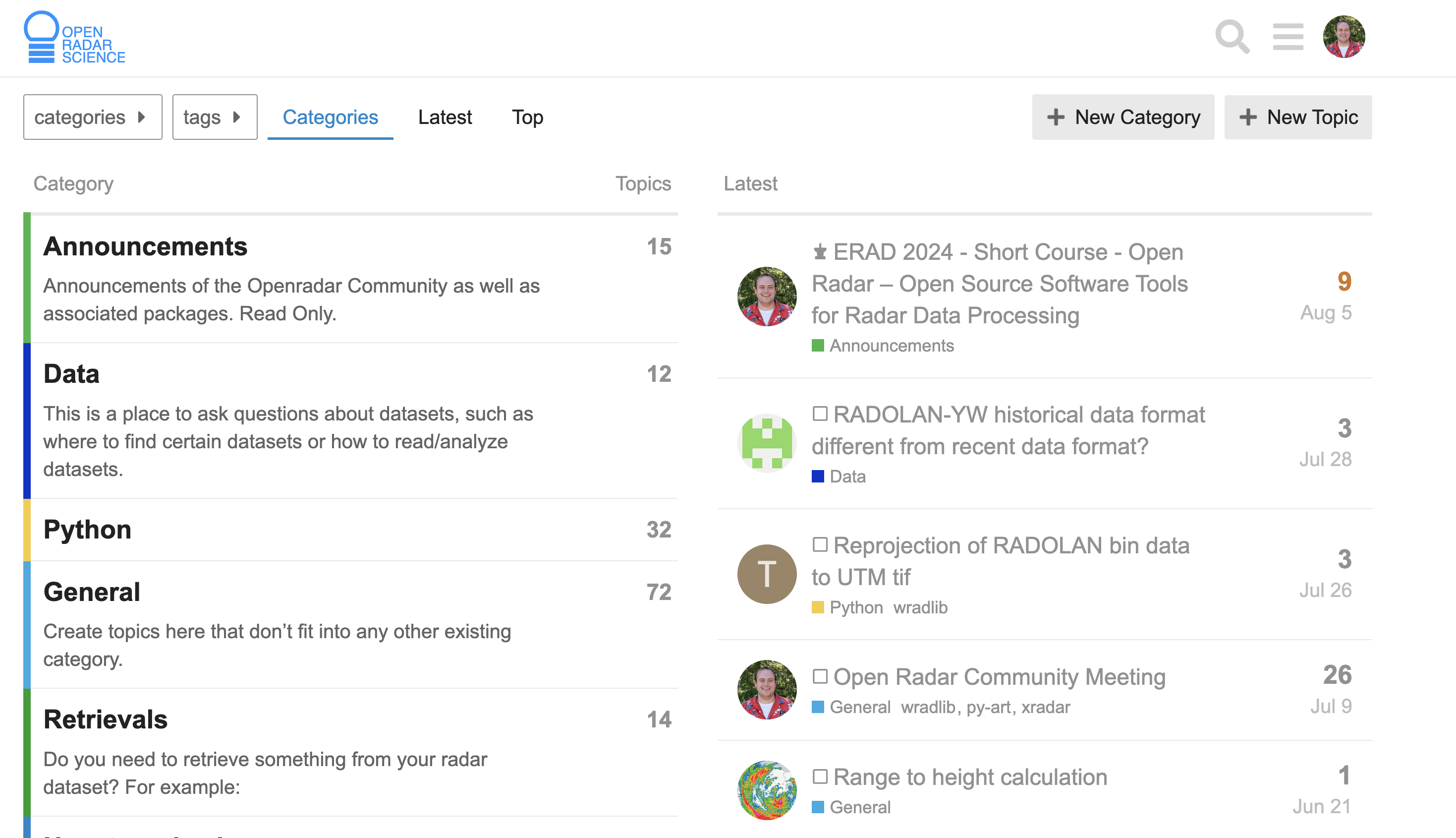
Join the conversation on the forum
You can find more posts relevant to the Open Radar Community on our website (at the top) and on the forum
We have monthly meetings! Join!
- Ramachandran, R., Bugbee, K., & Murphy, K. (2021). From Open Data to Open Science. Earth and Space Science, 8(5). 10.1029/2020ea001562